|

|
|
|
December 30, 2024 |
|
A Quick Patent Due Diligence Checklist: Beware Provisional Patents |
|
It is heartbreaking to see bad behavior by 'inventors' and their startup companies, but it occurs over and over again. Let this lesson be an example of the things you need to check anytime you are doing due diligence on an early-stage company.
First Pass at Due Diligence
Inventors/CEOs call every week looking for a loan using their patents as collateral. As is often the case, I request a list of patents ahead of time or I look them up. Typically, I look up patents based on the assignee, where I take a quick look at the portfolio.
Here's what I can learn from the first glance:
I will look at a couple of their actual patents and applications to learn:
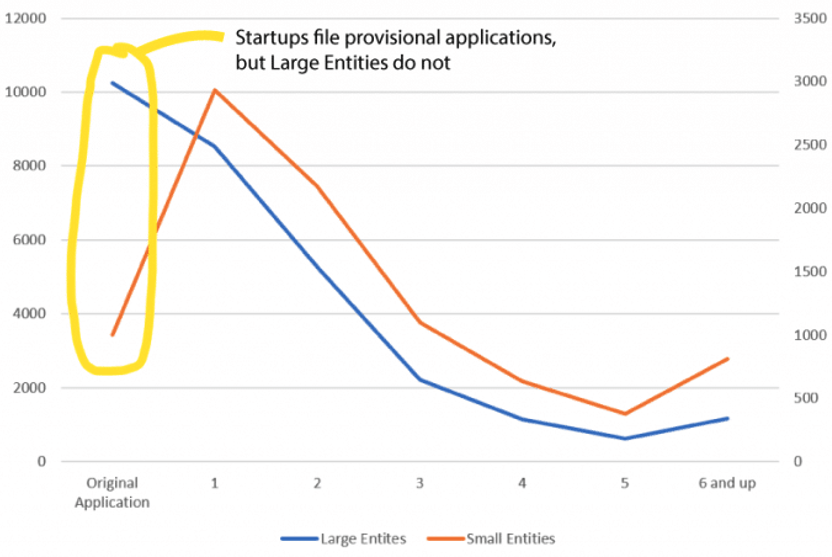
Figure 1: Pending Cases by Priority Count |
|
|
Source: Krajec Patent Offices |
|
From this graph – large entities (more sophisticated patent owners) do not file provisional applications, but, sadly, small entities (less than 500 people) follow this terrible strategy.
I often pull up the prosecution history of a patent from the USPTO website.
I always look at the registration number of the patent attorney. A very high registration number means they have not been practicing for very long and have little experience. An extraordinarily low number means they came of age years ago and, in many cases, still practice in the same way they were taught.
Many big law firms train their first year associates on startup work. This means the company gets to pay obnoxious prices for next-to-incompetent work product. It may mean that the CEO may be more enamored with the law firm name than their work product.
I always look at the style of the patent attorney when they respond to an examiner. Part of this is intellectual curiosity, and if I find some language that is particularly well done, I might even copy and paste their language into my (50+ page) template for responding to Office actions.
I also look for huge red flags in the prosecution history:
This was my normal diligence that I would do before I even talk to a candidate for a loan. It let’s me know the client’s sophistication and experience with the patent system, and what to expect about the quality of the IP assets in general.
Assignments are Key to Diligence
There is a new place that I need to look: patents on the side.
Although I have seen all sorts of unethical behavior on the part of inventors, patent attorneys, and even theft from an investor), I learned a new lesson recently.
I talked to an inventor who had some 'patents on the side.' He sent me a list of patents before our meeting, some of which were assigned to his company, but others were not. The filing dates were close together, and the technologies were pretty related.
I was curious why all the patents were not assigned to the company, and the inventor said that he was keeping one of them for himself. He said that if – and only if – the company was successful, he would assign to the company.
Think about what this says to me as an investor. The inventor who knows all the inside information about the company is unsure if the company will be successful - and he is asking if I will invest! These kinds of situations arise much more often than you would think.
My new lesson: do a patent search for every company officer, engineer, advisor, investor, board member, or anyone else I can think of.
If someone with inside information (or even tangential information) about the company is filing their own patents, this is a problem.
The patent owner can intentionally blackmail the company, but often it might not be blatant or nefarious. They just might want to "contribute to the company" by getting some patent protection on their own.
Whether the inventor is intentionally nefarious or not, this situation is rarely good for the company and needs to be addressed immediately.
What I really mean by "addressed immediately" is that you should always walk away from this kind of situation. People who file their own patents to "help" a company can become enormous problems later on, as they can hold the company at gunpoint to "get what they deserve." This is a no-win situation. Always walk away if you find this. |
|
KEY TAKEAWAYS
AUTHOR:
|

|
Contribute to Data Insights Monthly!
|
|
|
|

|


|
Angel Capital Association |